The why and what
I have always been fascinated by art that changes the way we see something familiar.
I suspect that fascination began long before I had the words for it. Looking back, it has quietly shaped almost everything I have ever made, from commercial creativity to drawing and painting.
I have never been interested in novelty for its own sake. What interests me is finding a form that reveals something already present: a feeling, a tension, a relationship or an idea that becomes obvious only once it has been seen in a different way.
That is where most of my work begins.
I have also become equally fascinated by the way works of art relate to one another.
Some ideas seem too large to resolve within a single image. They need another work alongside them, one that completes, questions or reframes what came before. Often the meaning does not sit inside either piece individually, but in the conversation between them.
That is probably why so much of my work takes the form of diptychs and triptychs. I enjoy the moment when one image changes the way another is understood.
The how, the process
There is always a start point of some sort, a sketch in my journal, a bit of writing, a podcast. There is no real system per se, but one of my latest triptychs, ‘We bend, not break.’ below, will give you a flavour:
I was inspired by Oxford colleague Athol Williams’s poems (the first ever Business School Poet Laureate), and also by a loose idea about how people endure difficult times. I had been thinking about the particular pressures facing the United States on its 250 birthday, and about the possibility that it would eventually find a way through them. I also knew, as I often do, I wanted to draw a set, a triptych.
That was the starting point, but it was not a plan.
I did not know what the work would look like when I began. As I always do, I just started drawing, then stopped, looked, added something, took something away, changed the balance, kept going. I deepened the roots of the trees in length and texture, added the leaves to the sunscape and before the tree on the first one (I had I feeling I wanted them not to be alone), then added a reflection of the sun in the ground, this didn’t really make logical sense but it made it feel balanced and it felt right because I felt the sun needed roots too. Then lastly, some clouds, again, because it felt like something was missing.
The details aren’t important but the process is: at every point, the work was telling me something, the challenge was to remain open enough to hear it. That’s how I always work, I hope it is what makes the art that emerges as interesting to me as it is to those who appreciate it out there in the real world.
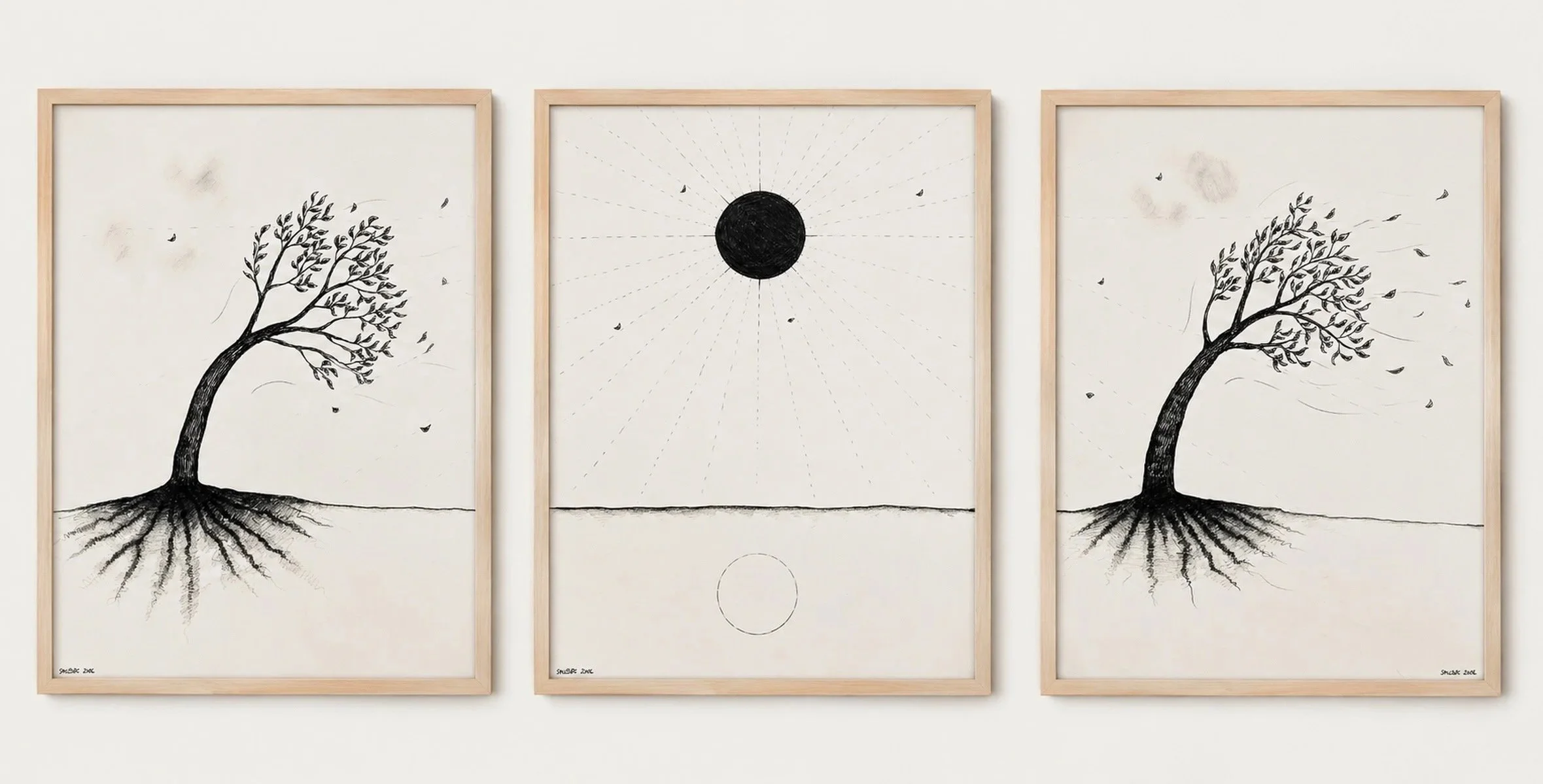
‘WE BEND, NOT BREAK’, double density willow charcoal and 6 & 8b Pencil. 50 X 65cm on high grade 200 gm paper.
“These are breathtaking.”
Dr. Athol Williams. Poet Laureate, Oxford University.
The format and method
I make two broad types of art: Big ‘Triptychs’ (sets of three) usually and in double or triple density charcoal, and smaller, more intimate landscapes in pencil and watercolour, usually in A4 and predominantly the relationship between the land and water. I occasionally use water colour when it feels right.
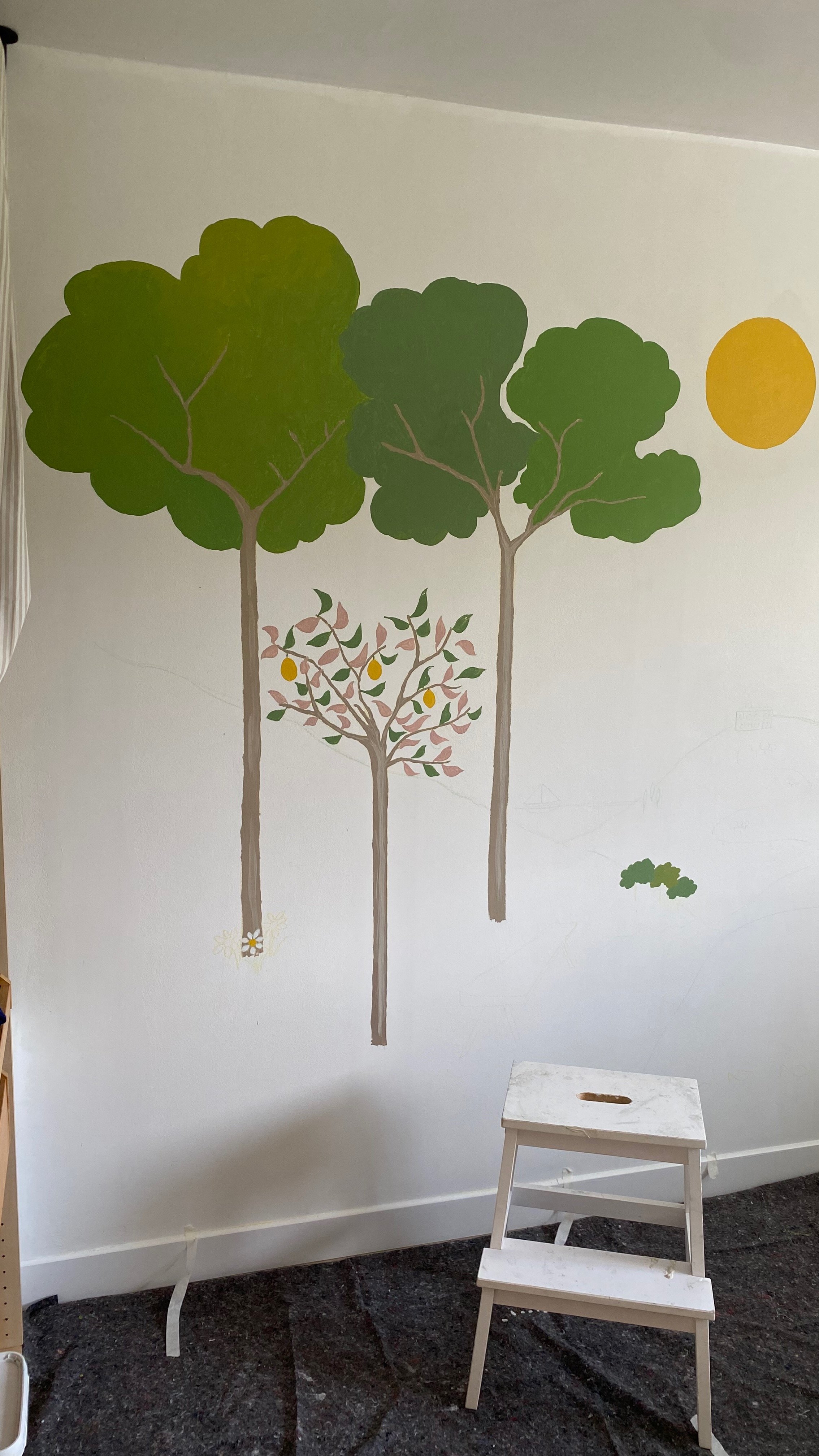
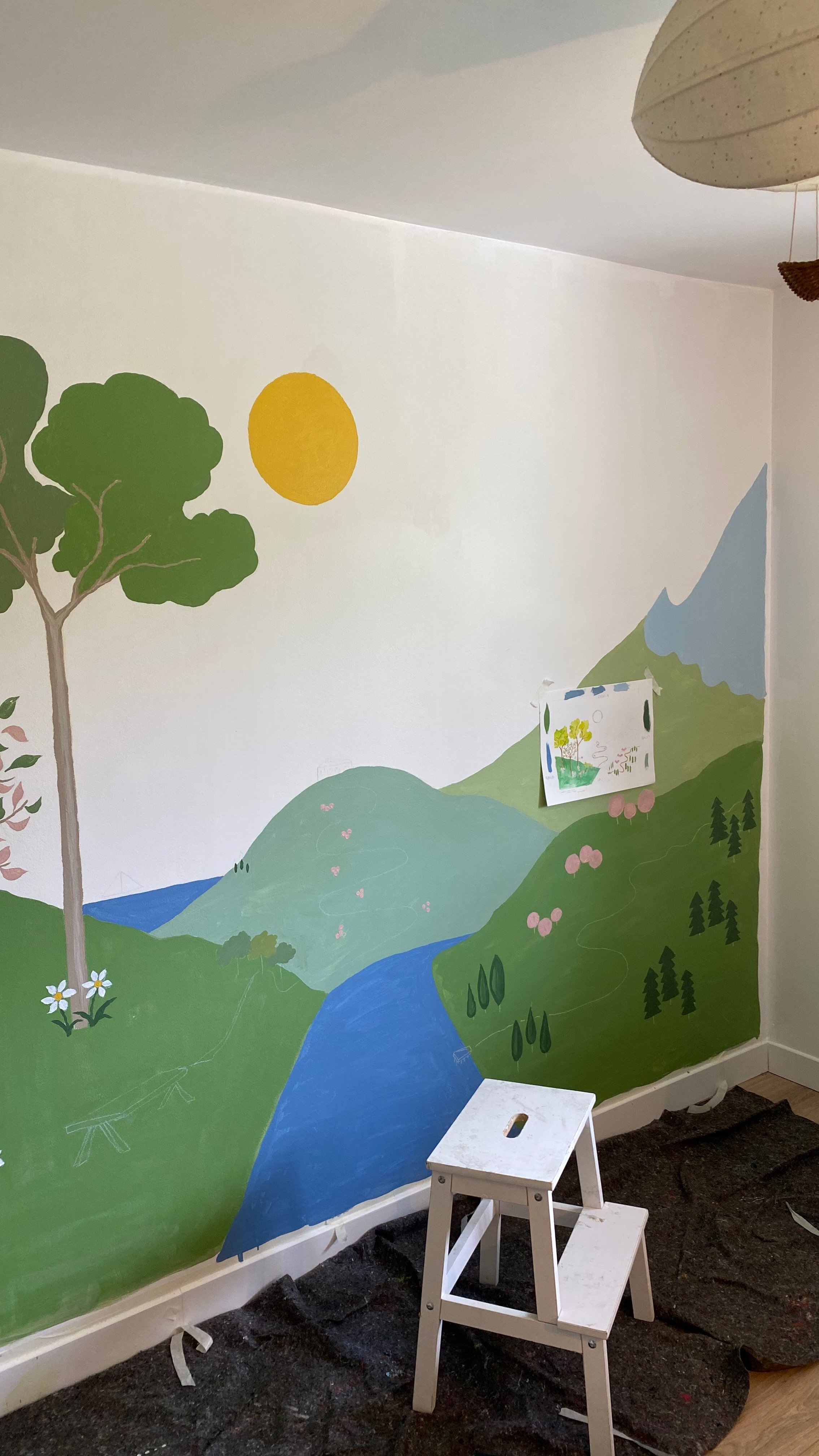
I also paint large wall murals often 3X4.5 metres, you can see examples of these works below.
I sell Limited Edition runs of certain prints, as well as originals. I currently only sell privately, and ship to most countries around the world. I will also consider commissions depending on the ask, timings. Please click the button below to make an enquiry.
ABSTRACT WORK
Here is a selection of my recent abstract work, again mainly triptychs.
Some of them are available as as Limited Edition Print sets, you can buy them in the Art Store page.
I also do commissions for both abstract and more figurative work. Please contact me if you’d like to know more.
‘ORBITAL SEQUENCE’
This set of three, or ‘triptych’ are double density willow charcoal. 50 X 65cm on high grade 200 gm paper.


‘CENTRED, ALIGNED’
This set of three, or ‘triptych’ are double density willow charcoal and 6 & 8b Pencil. 50 X 65cm on high grade 200 gm paper.


‘BLACK SHINES’
This set of three, or ‘triptych’ are double density willow charcoal. 50 X 65cm on high grade 200 gm paper.

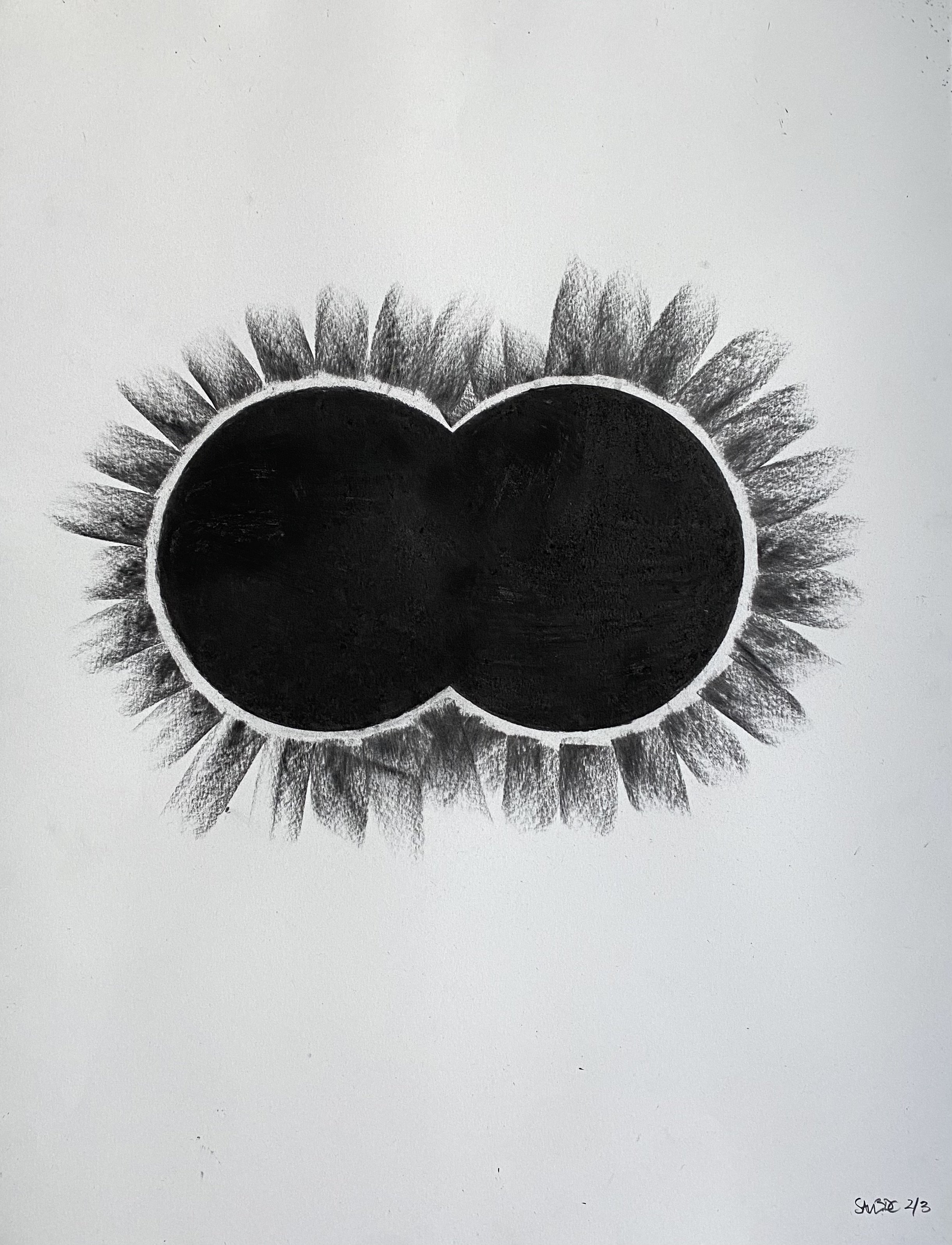
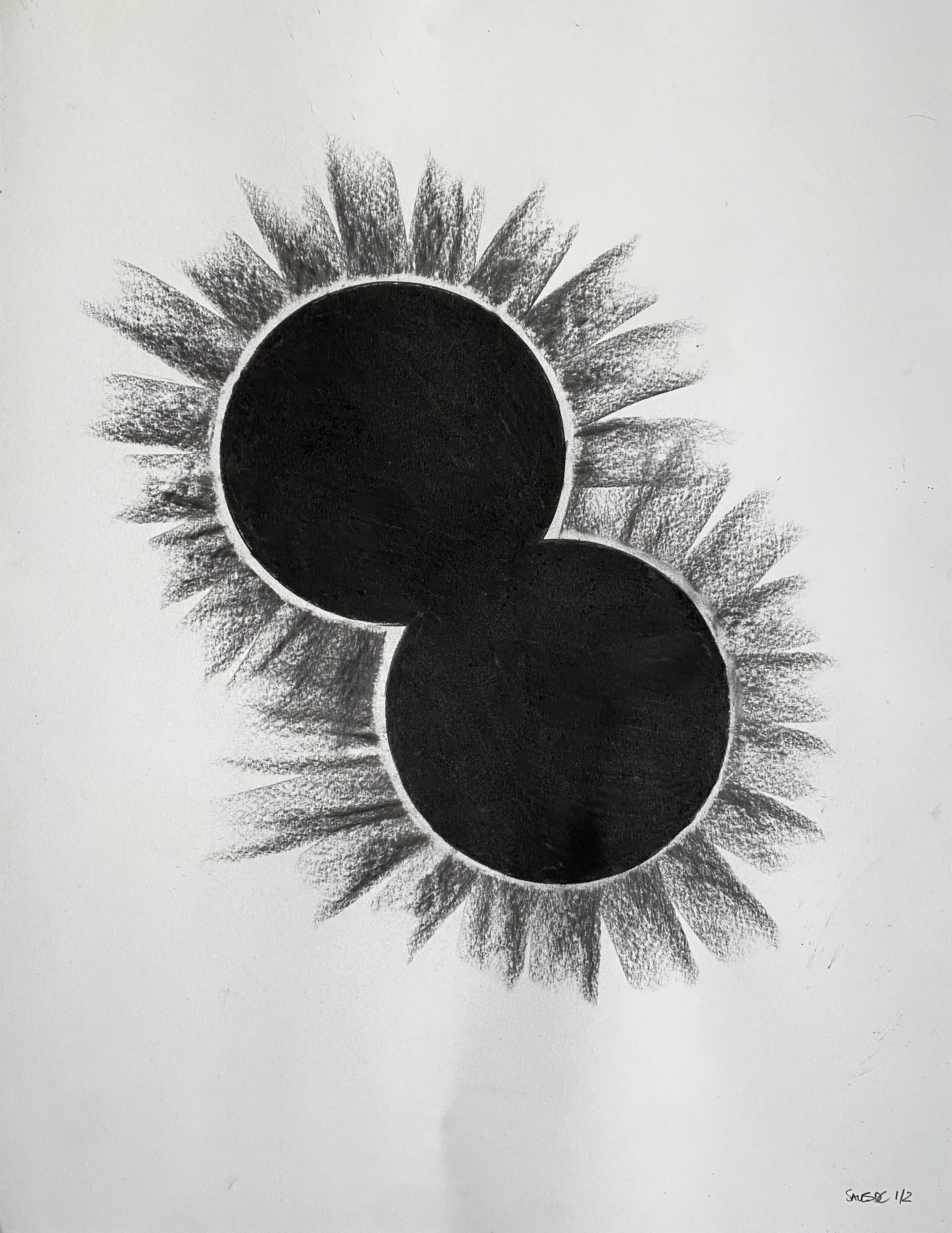
‘DARKSTAR DUST’
This set of three, or ‘triptych’ are double density willow charcoal. 50 X 65cm on high grade 200 gm paper.

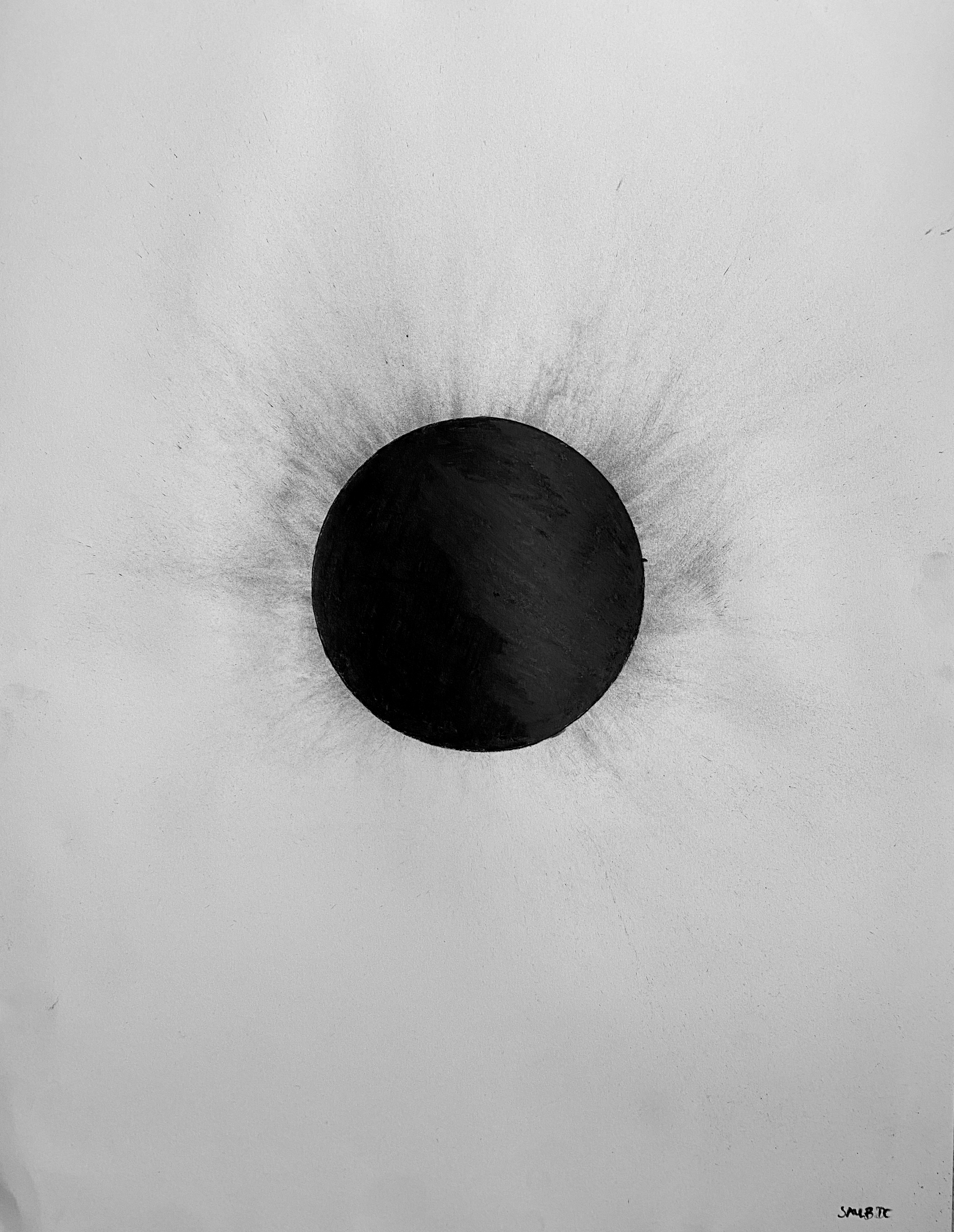

Here is a selection of my recent more figurative work. I explore landscapes, mainly focusing on coastal or lake scenes from my travels.
FIGURATIVE WORK
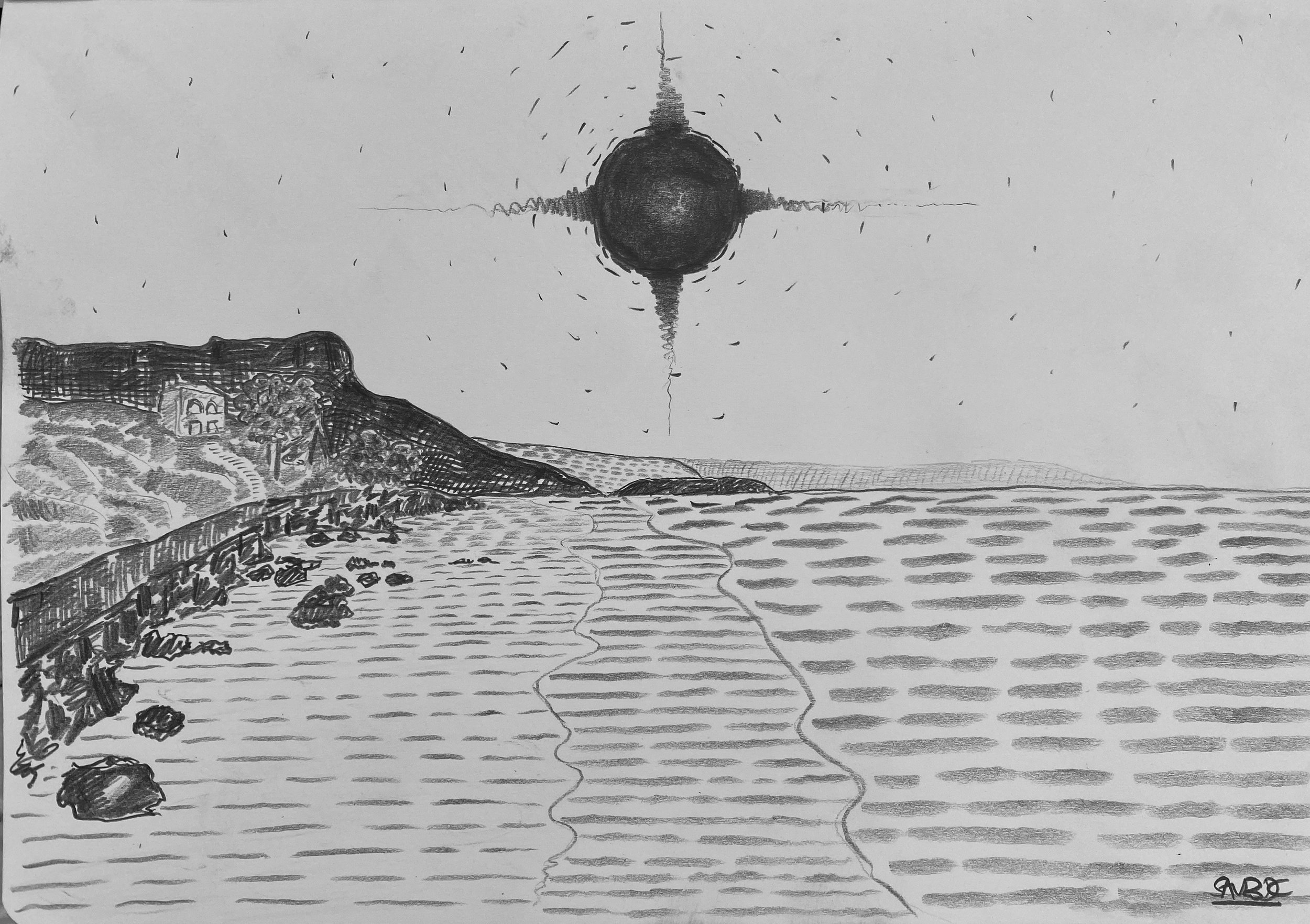
‘ZOE’S VIEW’, PERDIKA, AEGINA, GREECE.
A4 with mixed pencil.
Drawing of the view from our beautiful holiday house on the island of Aegina, hosted by the amazing Zoe.
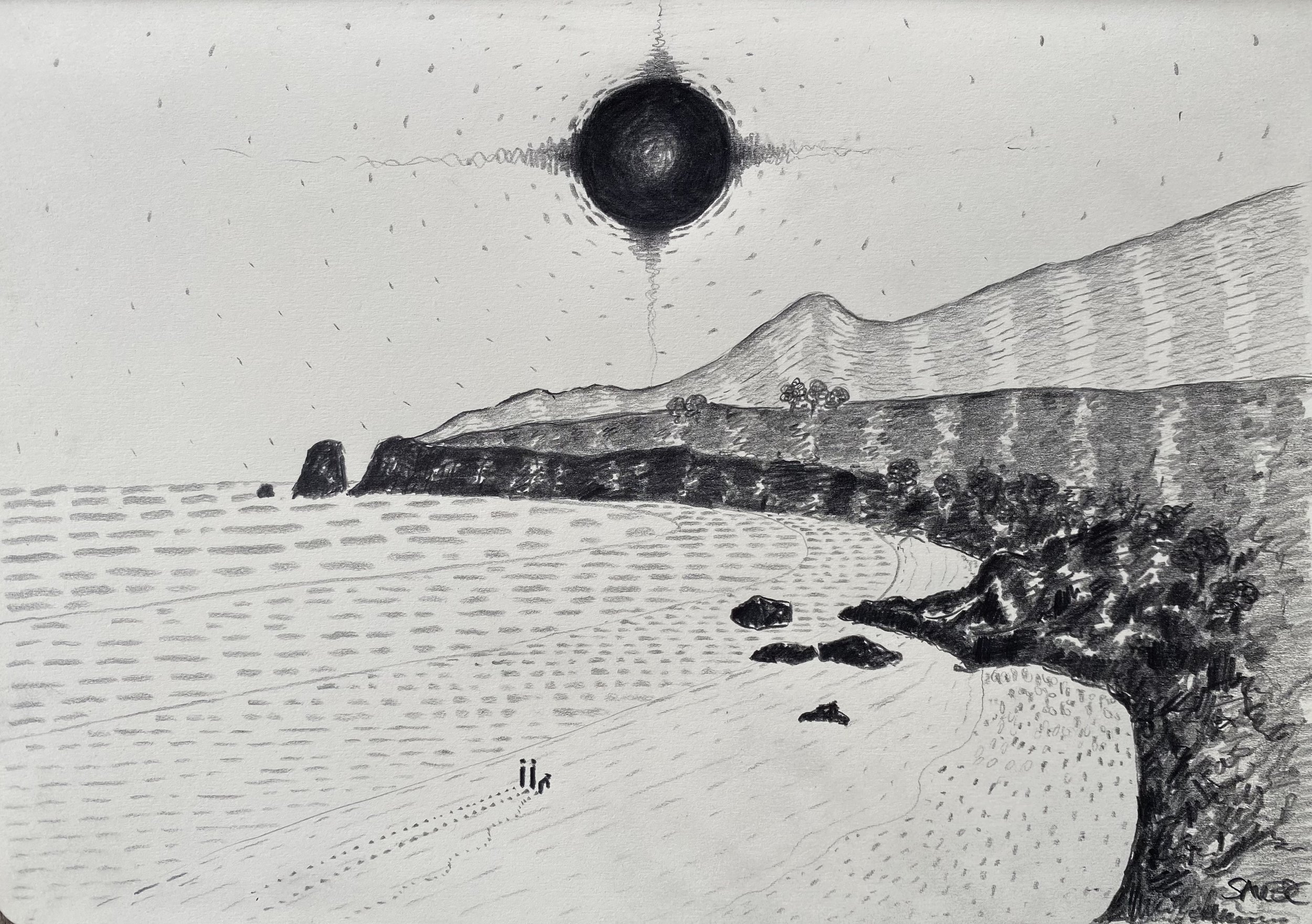
‘WALK IN THE WINTER SUN'’, PRAIA DE GALAPOS, PORTUGAL
A4 with mixed pencil.
Drawing of the view from a favourite swimming spot on a surprisingly warm November day. It features my wife Amelie, my mother in law Maj and the remarkable Harry the dog.
‘A SENSE OF REFLECTION’ LAKE BUNYONYI, UGANDA.
A4 with mixed pencil and watercolour.
Drawing of the view from the jetty of an island Amelie and I stayed on in Lake Bunyonyi in Uganda, August 2022. Remarkable place.

‘GUETHARY TOWARDS SUNSET’ GUETHARY, FRANCE.
A3 with mixed pencil and watercolour.
Drawing of one of Amelie and I’s favourite places, Guethary, which has some of the most spectacular sunsets of all.

‘TOWARDS COTES DE BASQUE’, BIARRITZ, FRANCE.
A3 with mixed pencil (4, 6 and 8B), and charcoal pencil (4 and 6B).
This place has been an important part of my life for much of my life, but every time I return it takes my breath away, February 2024 was no different.

MURAL WORK
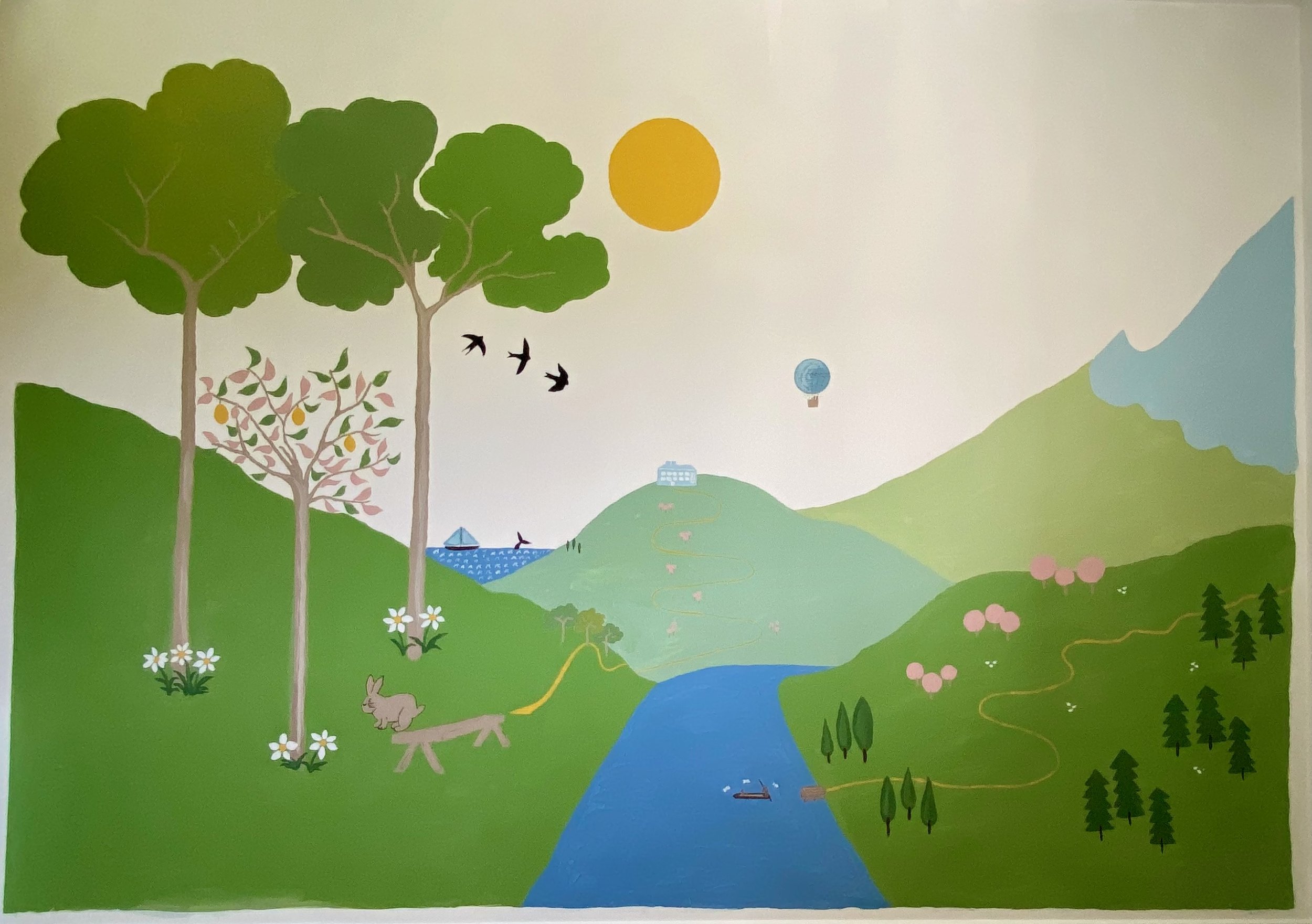
I have created a number of large painted murals for private houses.
Below is one I made recently. It is 3X4.5 metres, using acrylic paint. The working pictures below will give you a sense of the scale.